
Admissions

Show us your ear. We’ll train the rest.

You don’t need a studio or years of lessons to apply. You need a good ear, a sense of timing, and the drive to finish what you start. Apply online in about ten minutes.

Who can apply

Entry requirements

Funded intakes are for unemployed young people aged 18 to 35. We reserve places for women and for people with disabilities, and we welcome applicants from every township in Soweto and beyond.

NQF Level 5 · QCTO-accredited

Sound Operator

  • Matric (Grade 12) or another NQF Level 4 qualification
  • Pass the ear and timing test and an interview
  • Able to attend in Diepkloof, Soweto, for about 12 months
Short courses · not accredited

Music production or DJ performance

  • Grade 9 or higher
  • A good ear and a sense of timing
  • Your own laptop is helpful but not needed
How it works

Four steps to your first class

  1. Apply onlineFill in the form below. Upload your ID and matric certificate if you have them ready, or bring them later.
  2. Ear and timing testA short listening test where you spot the wrong note in a tune and keep time.
  3. Demo and interviewPlay us something you made or perform, then talk to our team about your goals.
  4. Selection and inductionSelected learners sign their agreement, get a learner portal login and start induction.
Documents

What you will need

Uploading documents with your application is optional. If you are selected, we need:

  • A certified copy of your ID (or birth certificate)
  • Your matric or NQF Level 4 certificate (for the Sound Operator qualification)
  • Proof of address

If you tell us you have a disability, a disability confirmation helps us arrange support, but it is optional.

Your information

Why we ask for sensitive details

  • ID number: to check eligibility and, if you are selected, to register you with the QCTO and the funder.
  • Population group and gender: funders such as MICT SETA require equity reporting. You may choose “Prefer not to say” for population group.
  • Disability: only to arrange support and for places reserved for people with disabilities. You may choose “Prefer not to say”.
  • Documents are stored privately, never emailed, and only Q-Note admissions staff can open them. Read the privacy notice.
The ear and timing test

Can you hear the wrong note?

Sound work is about listening. The test checks two things: whether you can hear when a note in a tune is wrong, and whether you can keep time.

There is nothing to study for. Singers, instrumentalists, DJs and beat-makers who play by ear usually do well, even with no formal training. If you need any adjustment because of a disability, tell us on the form and we will arrange it.

Apply and book my test
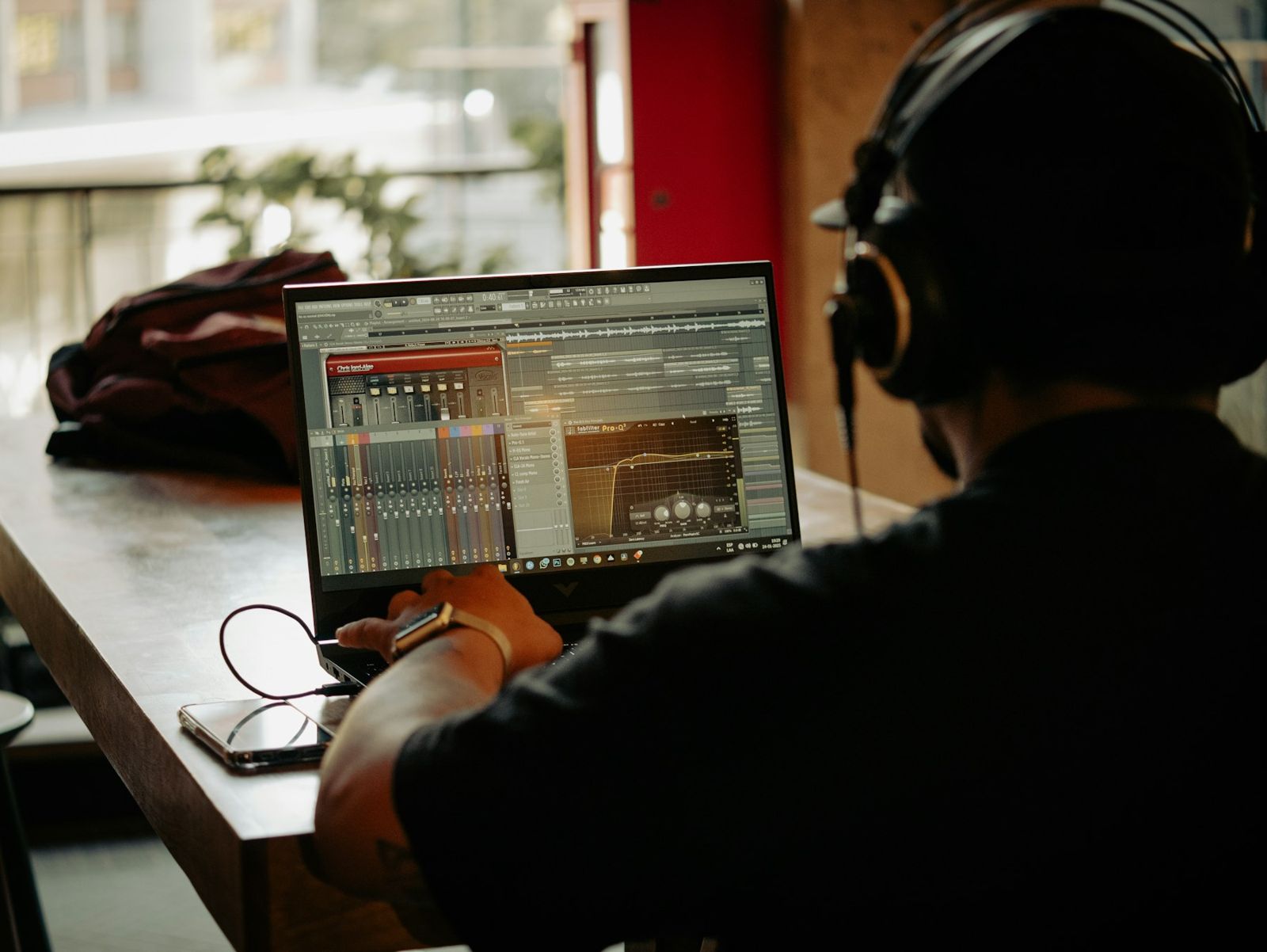
A producer wearing headphones working on audio software on a laptop
Listening is the first skill
Apply

Online application

Five short steps. You get a reference number when you submit, and we contact you within five working days. Prefer to talk first? WhatsApp us on 063 140 7788.

1. Programme
Intake: 2027 intake. Funded places depend on MICT SETA grant approval. We will confirm dates with shortlisted applicants.
2. About you
Needed to check eligibility and, if you are selected, to register you with the QCTO and the funder.
Funders such as MICT SETA require this for equity reporting. You may choose “Prefer not to say”.
Do you have a disability? * We use this only to arrange support for learning and assessment, and for the places reserved for people with disabilities. The details below are optional.

We reserve places for women and for people with disabilities. Our training venue has step-free access and an accessible toilet.

3. Contact details
4. Background
5. Documents

All uploads are optional now, but the ID and school certificate are needed if you are selected. PDF, JPG or PNG, up to 5 MB each; a clear phone photo is fine. Documents are stored privately and only Q-Note admissions staff can open them. You can also bring them to your interview.

Questions

Frequently asked questions

Is the qualification accredited?
Yes. The Higher Occupational Certificate: Sound Operator (SAQA 120748, NQF Level 5) is registered with the QCTO. Q-Note was accredited by the QCTO on 15 May 2026 to offer it until 14 May 2031 (accreditation 07-QCTO/SDP200526182239). Learners who pass the external assessment receive a QCTO certificate.
Do I need to read music already?
No. What you need is a good ear and timing, which is what the test checks. The theory of sound is taught from the beginning.
Do I need my own computer or equipment?
No. Training happens in our lab and studio, with music production software, MIDI keyboard controllers, headphones, microphones and mixing consoles.
What does it cost? Is there funding?
Q-Note is applying for MICT SETA funding for the 2027 intake, but this has not been approved yet, so funded places are not guaranteed. Fees for self-funded learners have not been published. We will tell you whether your place is funded, and about any costs, before you commit. We never charge to apply.
Are the short courses accredited?
No. Our music production and DJ performance short courses give a Q-Note certificate of completion and do not carry NQF credits. Only the Sound Operator qualification is QCTO-accredited.
I have a disability. Can I apply?
Yes, and we encourage you to. Funded intakes reserve places for learners with disabilities. Our training venue at the Ekhaya Recreation Centre has step-free access and an accessible toilet. Tell us on the form what support you need to learn and be assessed.
I didn’t finish matric. Can I still apply?
Not for the Sound Operator qualification, which needs NQF Level 4. You can apply for a short course in music production or DJ performance.
Where does training happen?
At our training venue, the Ekhaya Recreation Centre, 6825 Rustenburg Road, Diepkloof Zone 4, Soweto. Work experience happens at a host employer. Our administrative office is at 3951 Mosupatsela Street, Zone 3, Diepkloof.
What happens after I apply?
You get a reference number on screen (and by email if you gave one). We contact you within five working days to book your ear and timing test. Keep your phone on and check WhatsApp.
What happens to my personal information?
We use it only to process your application and, if you are selected, to report to funders as they require. Read our privacy notice.